Experience Quality Care with Alvin Air Conditioning Services
Experience Quality Care with Alvin Air Conditioning Services
Blog Article
Best Air Conditioning Services to Keep Your Home Comfortable and Refreshing All Year Long
Keeping a comfortable living space requires efficient air conditioning services. Routine maintenance is vital for the system’s efficiency and durability. Spotting signs of possible problems can avoid expensive repairs. Furthermore, upgrading to energy-efficient units provides long-term savings. Different seasonal tune-ups help enhance performance. Knowing these factors is crucial for homeowners. Yet, many people might ignore important warning signs. What are the main signs that suggest your system needs service?
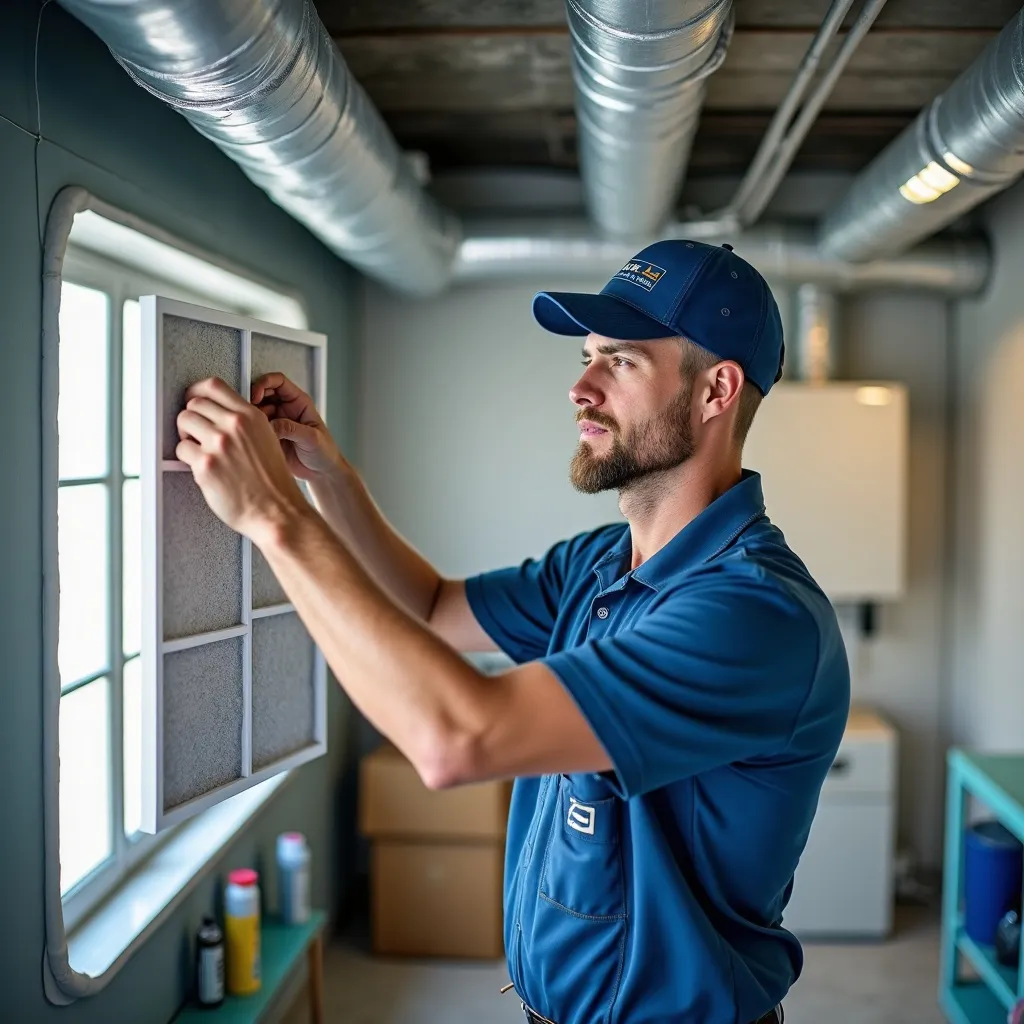
The Significance of Routine Air Conditioning Upkeep
Regular air conditioning maintenance is vital for peak performance and longevity of the system. A well-maintained air conditioning unit operates more economically, reducing energy consumption and decreasing utility bills. Routine checks can prevent minor issues from escalating into major problems, confirming the system runs smoothly throughout the warmer months.
Moreover, consistent maintenance strengthens indoor air quality by removing dust, allergens, and debris that accumulate in the apparatus. This is highly vital for properties with breathing problems. Annual checks often include procedures such as filter cleaning, refrigerant assessment, and electrical inspection, which contribute to overall system reliability.
Investing in routine maintenance not only maximizes the lifespan of the air conditioning unit but also establishes a comfortable living environment. Dwellers who make priority of routine maintenance can take advantage of tranquility, confident their system is suited to handle the pressures of temperature changes.
How to Detect When Your AC Needs Fixing?
Determining when an AC unit needs repair is vital for maintaining comfort and peak performance. explore article Signs including unusual noises, variable cooling, and higher utility bills often indicate underlying issues. Detecting these symptoms allows householders to take timely action before major complications materialize.
Odd Sounds Originating From Unit
When an air conditioning unit begins to produce strange sounds, it often indicates potential issues that may require immediate attention. Common sounds consist of rattling, which may indicate loose components, or hissing, indicating a refrigerant leak. A grinding noise could point to motor problems, while a buzzing sound may signify electrical issues. These noises not only disturb your peace but can also lead to greater harm if neglected. Homeowners should take these signs seriously and consider consulting a professional technician to diagnose and address the root causes. Prompt maintenance can avoid additional issues and ensure the unit operates efficiently, maintaining a comfortable living environment throughout the year. Disregarding these noises may result in costly repairs down the line.
Uneven Thermal Flow
Air conditioning units making unusual sounds can often precede additional signs of issues, like inconsistent temperature output. Homeowners might detect that some rooms feel hotter or chiller than others, which suggests the system isn't distributing air evenly. Moreover, it may take longer for the unit to reach the desired temperature, resulting in uneasiness. If the thermostat settings do not match with the actual room temperature, this discrepancy can signal a underlying issue. Inspecting for blocked vents or dirty filters is necessary, since these factors can cause temperature variations. Consistent maintenance and timely response to these signs can ensure the air conditioning system functions optimally, providing a comfortable living environment year-round.
Growing Electricity Bills
Often, residents may notice a sudden increase in their energy bills, which can indicate that their air conditioning system requires attention. Increased energy consumption is often caused by various hidden problems, such as clogged air filters, coolant leaks, or faulty parts. These problems cause the system to work harder to keep desired temperatures, leading to higher operational costs. Homeowners should monitor their electricity costs consistently and compare them to previous time periods or years for discrepancies. Additionally, odd noises or decreased cooling performance can also signal that fixes are required. Resolving these issues promptly can not only improve efficiency but also prevent more significant problems and expenses down the line, ensuring a comfortable living environment year-round.
Grasping Critical Air Conditioning Services
Emergency AC services are crucial for homeowners dealing with unexpected air conditioning failures, especially during the sweltering summer months. Such assistance deliver quick support, guaranteeing that a faulty unit does not affect indoor comfort and health. Typical problems requiring emergency attention consist of refrigerant leaks, compressor failures, and electrical problems, all of which can result in insufficient cooling or complete system shutdown.
Homeowners must recognize the essential nature of maintaining reliable emergency services. Quick response rates can reduce discomfort and prevent further damage to the system. Moreover, many service providers make available 24/7 availability, satisfying urgent needs regardless of the time of day.
Identifying the red flags that necessitate urgent cooling assistance can equip house owners to take swift action, making certain their air conditioning systems work properly and efficiently. By giving priority to these options, house owners can maintain a refreshing, pleasant home setting throughout the hottest months of the year.
The Case For Moving to Energy-Efficient AC Systems
Converting to energy-efficient AC units furnishes major benefits, such as lower monthly costs. These state-of-the-art units utilize less power and elevate air quality inside your home by way of enhanced air filtering and moisture adjustment. As homeowners seek cost-effective and healthier living environments, efficient cooling solutions stand as a compelling solution.
Reduce Power Costs
Spending on power-efficient air conditioning units can noticeably lower monthly energy bills. These modern systems utilize the latest technology to advance energy consumption, resulting in lower operational costs. Traditional units often waste energy, leading to inflated bills during peak usage times. Conversely, energy-efficient models are built to operate using less electricity while maintaining superior cooling performance. The initial investment in these units can be offset by significant savings over time, making them a financially sound choice for homeowners. Additionally, many energy-efficient air conditioners come with rebates and other incentives, further enhancing their cost-effectiveness. By upgrading to these units, homeowners not only support ecological health but also enjoy a more economical approach to cooling their living spaces.
Advanced quality of indoor air
Energy-efficient cooling units not only cut down on power expenses but also greatly enhance indoor air quality. These units are built with advanced filtration systems that effectively remove dust, allergens, and pollutants, leading to cleaner air circulation within the home. By reducing humidity levels, energy-efficient models discourage mold growth and the proliferation of bacteria, contributing to a healthier living environment. Additionally, many of these units operate more quietly than traditional models, minimizing noise pollution and promoting a more serene atmosphere. Upgrading to energy-efficient air conditioning systems not only supports environmental sustainability but also emphasizes the well-being of the household, making it a smart choice for homeowners seeking both comfort and health benefits.
Seasonal Maintenance for Optimal AC Efficiency
When the warmer months arrive, making sure your cooling system remains in peak condition becomes essential for maintaining comfort indoors. Seasonal maintenance appointments play an important role in improving AC operation, enhancing efficiency, and increasing the system's operational life. These thorough maintenance appointments generally include replacing or cleaning air filters, reviewing refrigerant levels, and spotting likely leaks. HVAC technicians also evaluate electrical systems, guarantee correct airflow, and inspect the evaporator and condenser coils.
Swift Solutions for Conventional AC Issues
Regular tune-ups can help prevent many issues, but even well-maintained air conditioning systems can experience problems. Homeowners may encounter typical problems such as insufficient cooling, strange noises, or frequent cycling. A quick fix for insufficient cooling often requires examining the thermostat settings and ensuring they are adjusted properly. Additionally, cleaning and inspecting the air filters can improve air circulation and efficiency.
For strange noises, homeowners should first check the unit for loose parts and debris. Fastening fasteners and eliminating obstructions can minimize many noise problems. If the AC constantly turns on and off, evaluating the compressor and monitoring refrigerant levels can present solutions.
In conclusion, ensuring the outdoor unit remains debris-free of debris can improve overall efficiency. While these quick remedies can resolve immediate problems, contacting a professional for persistent concerns is advisable to prevent further deterioration.
How to Extend the Lifespan of Your AC System
A well-maintained air conditioning system can last notably longer, delivering comfort for homeowners consistently over time. Consistent upkeep is required; this includes swapping filters every one to three months to improve efficient airflow. Professional inspections should happen at least once a year to identify potential issues early.
Ensuring the outdoor unit free from debris, such as leaves and dirt, helps sustain peak performance. Homeowners should also confirm that vents and registers are unobstructed to allow proper air circulation throughout the home.
Additionally, adjusting the thermostat to a reasonable temperature can decrease strain on the system. Installing a smart thermostat allows for improved energy management.
Finally, adding a electrical surge protector can protect the unit from electrical damage. By following these practices, homeowners can substantially increase the longevity of their air conditioning systems while appreciating a comfortable living environment.
Frequently Common Inquiries
How much Does Air Conditioning Maintenance Generally Cost?
Air conditioning repairs typically charges from $75 and $200 per service, depending on factors like AC model and service provider. Periodic servicing can increase the unit's duration and improve effectiveness, as a result saving on energy costs.
What Are the Signs of a Refrigerant Leak?
A refrigerant leak manifests through audible hissing noises, poor cooling efficiency, frozen coil surfaces, and increased utility bills. These red flags show a necessity for professional inspection to avert ongoing damage to the air conditioning system.
Is it Possible to Install an AC Unit Without Professional Help?
He determined that having an AC unit installed by himself was possible, but entailed technical knowledge and tools. Heeding professional standards and adhering to local requirements were necessary to ensure protective measures and conformity with installation codes.
How Often Should I Change My AC Filter?
Air filters typically need replacement every one to three months, subject to usage and the category of filter. Consistent upkeep improves air standards and system efficiency, ultimately preserving the lifespan of the air conditioning unit.
What's the Average Life Expectancy of an Air Conditioning Unit?
The typical lifespan of an air conditioning unit generally ranges from 15 to 20 years, depending on upkeep, usage, and model quality. Regular servicing can extend its longevity, ensuring peak performance throughout its operational life.
Report this page